Many parents walk into our center carrying a heavy burden of worry. They sit down, look at me, and ask the question that has been keeping them awake at night. Their two-year-old is barely speaking. Family members often mean well when they say things like 'boys talk late' or 'do not worry, his uncle did not speak until he was three.' But as a parent, you have that quiet, nagging feeling that something might be different. You spend hours searching online, trying to understand speech delay vs autism, and usually end up more confused and terrified than before.
At Therapy Genius, we see this scenario constantly. It is completely normal to feel overwhelmed. Deciding whether a child has an isolated speech delay or is showing early signs of autism requires looking closely at how they communicate, rather than only counting the words they say.
Understanding an isolated speech delay
A child with an isolated speech delay might struggle to form words, but they still have a strong desire to connect with the people around them. They use their face, their hands, and their body to get their message across.
If they want a toy that is sitting on a high shelf, they will look you directly in the eye, point at the toy, look back at you, and maybe make an urgent grunting sound. They understand the back-and-forth nature of communication. When the pressure cooker whistle blows in the kitchen, they might look at you and point towards the sound. If they are hungry, they might pull on your dupatta and lead you to the kitchen. They bring you their broken toy car because they know you can fix it. The words are missing, but the social connection is completely present.
Recognizing early signs of autism in toddlers
Autism spectrum disorder affects social communication. This means the early signs often relate to how a child interacts with others, rather than just their vocabulary.
A toddler on the autism spectrum might not use pointing to show you something interesting, like a dog barking outside. They might instead take your hand and use it like a tool to open a jar of biscuits, without ever looking up at your face. Calling their name from across the room might get absolutely no reaction, leading parents to suspect a hearing problem. Yet, that same child will come running from the other end of the house the second they hear the title song of their favorite cartoon playing on the television.
These signs of autism in toddlers show us that the core difference lies in social intent. A late talker uses gestures to make up for missing words. A child on the spectrum often misses the natural rhythm of shared attention and social interaction.
Where the confusion happens
Things get messy because toddlers are naturally unpredictable. Some days, a child with a simple speech delay might ignore you completely because they are deeply focused on playing with their blocks. That does not automatically mean they have autism.
Furthermore, children with autism can be incredibly affectionate. A common myth is that autistic children do not like to be hugged or do not love their parents. This is simply untrue. Many children on the spectrum love cuddling with their parents, which sometimes makes families doubt their concerns. This is why watching behavior patterns over several weeks matters much more than judging one single afternoon of play.
Why the wait and watch approach is risky
In many Indian households, the default advice is to wait. We are told that the child will grow out of it once they start preschool. While some children do catch up, waiting often means missing an important window of time.
A child's brain is incredibly adaptable during the first few years of life. Early intervention programs take advantage of this rapid brain development. If a child is struggling to communicate, the frustration of not being understood can quickly turn into behavioral issues, like extreme tantrums or biting. Addressing the communication barrier early prevents these secondary challenges from taking root.
Practical things parents can do at home
You do not have to wait for a formal diagnosis to start supporting your child. Therapy starts at home, and parents are the best teachers.
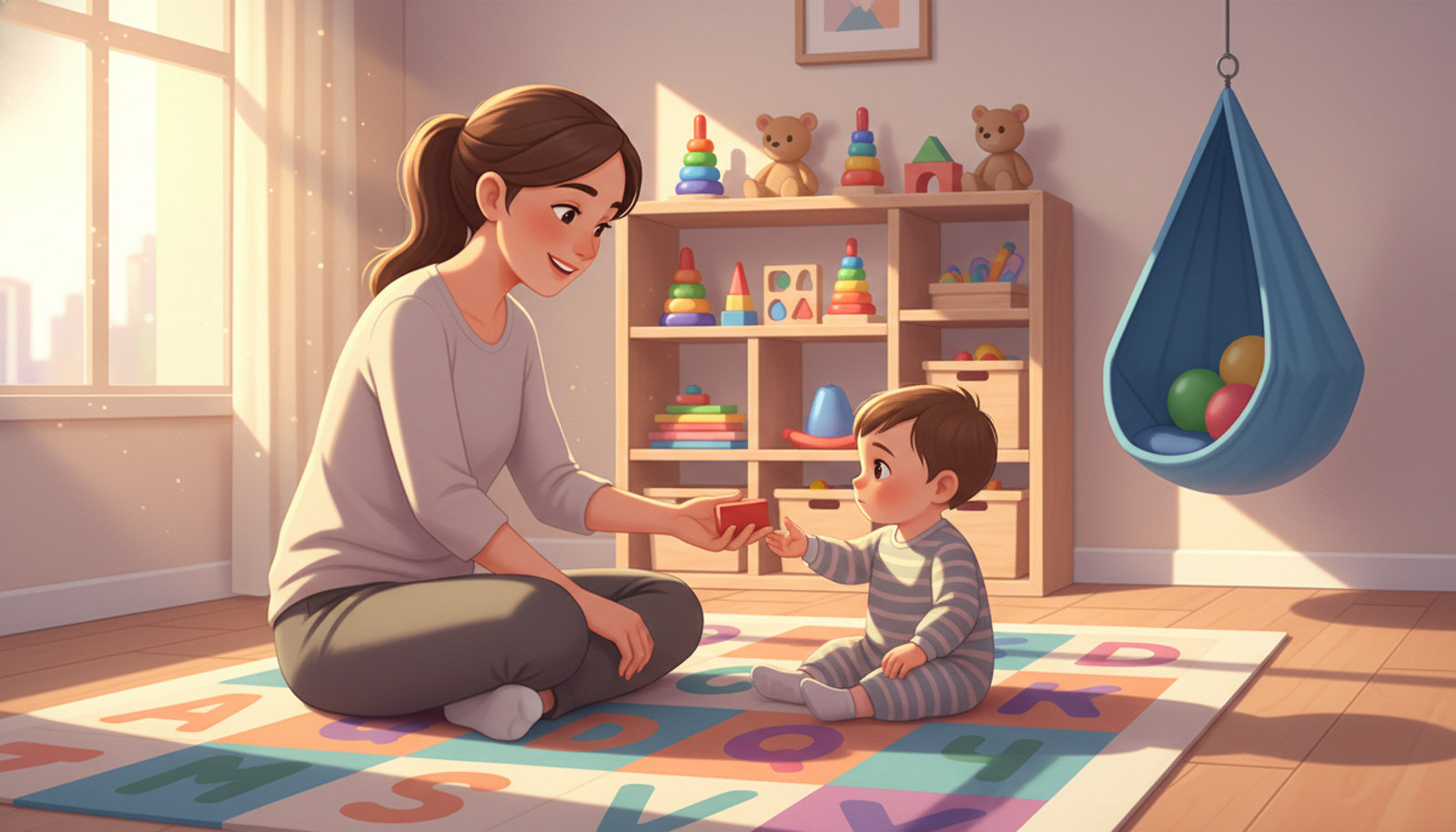
Put away the mobile phones and tablets. Get down on the floor and enter your child's world. You can use simple items you already have around the house. Take a steel bowl and mix raw chana and rajma, then ask your child to help you sort them into two separate cups. This builds focus and fine motor skills.
When you take them for an evening walk in the neighborhood park, narrate what you see using simple words. Say 'big dog' or 'red slide' instead of asking them testing questions like 'what is this?' or 'what color is that?' Children learn language much better when they hear it naturally rather than feeling like they are passing an exam.
Create situations where they have a reason to communicate. Put their favorite snack in a clear plastic container with a tight lid. Hand it to them. When they struggle to open it and hand it back to you, pause. Wait for them to make eye contact with you before you open it. This teaches them that looking at you is a powerful way to get what they want.
The role of a child therapy center
If your child is 18 months old and not using any words, or two years old and not putting two words together, it makes sense to reach out for a professional opinion. Visiting a child therapy center helps you understand how their brain works and gives them the right tools to navigate the world. We focus on support, not just putting a label on a child.
At Therapy Genius, we sit with families and look at the entire picture. Sometimes, a few months of speech therapy for children is all it takes to bridge the communication gap. In these sessions, a speech therapist works through play, helping the child build foundational skills like taking turns and imitating sounds.
Other times, a child might benefit from a more comprehensive approach. If a child has high energy, poor attention, or gets overwhelmed by sensory input, we might introduce behaviour therapy or occupational therapy. An occupational therapist can help a child who gets upset by loud noises or struggles with the coordination needed to hold a crayon. A behaviour therapist can help families manage difficult meltdowns and teach the child better ways to express their frustration.
Frequently asked questions
Q: At what age should my child start speaking?
Most children say their first clear, meaningful words around their first birthday. By age two, they generally have a vocabulary of at least 50 words and are starting to string two words together, like 'want milk' or 'go out'. However, every child is different, and missing a milestone slightly does not always indicate a severe problem.
Q: Can a child outgrow autism?
Autism is a lifelong neurological difference, which means a child's brain is wired differently. It is not a disease that a child outgrows or cures. However, with the right support and early intervention, children on the spectrum learn amazing skills to communicate, regulate their emotions, and live very independent lives.
Q: Will speech therapy make my child talk immediately?
Therapy is a gradual process. A therapist builds the foundation for communication first. This includes teaching a child to pay attention, make eye contact, understand words, and use gestures. These steps must happen before the actual spoken words appear. Consistent practice at home is what truly accelerates progress.
Q: How do I know if my child needs occupational therapy?
If your child struggles with daily tasks like holding a spoon, writing, or dressing themselves, occupational therapy can help. It is also highly effective for children who show sensory processing difficulties, such as covering their ears at everyday sounds, refusing to touch certain textures like wet paint or sand, or constantly needing to jump and crash into things.
Trusting your instincts as a parent
You know your child better than anyone else. You spend the most time with them, and you see their struggles up close. If you feel that something is off, do not let anyone dismiss your concerns. Seeking a professional opinion brings clarity and peace of mind.
Getting support early changes the entire path forward for your child. It equips you with the strategies you need, and most importantly, it reminds you that you do not have to walk this parenting journey alone.
About Pushp Bhandari
Founder
Pushp Bhandari is the Founder and Head of Department at Therapy Genius, leading a multidisciplinary team focused on evidence-based child therapy and early intervention.
Book a consultation →